
Comprehensive Analysis of RTMS Transcranial Magnetic Stimulation Devices: Technical Principles, Structural Components, and Therapeutic Applications
- winni
- February 02, 2026
- 254
- 0
- 0
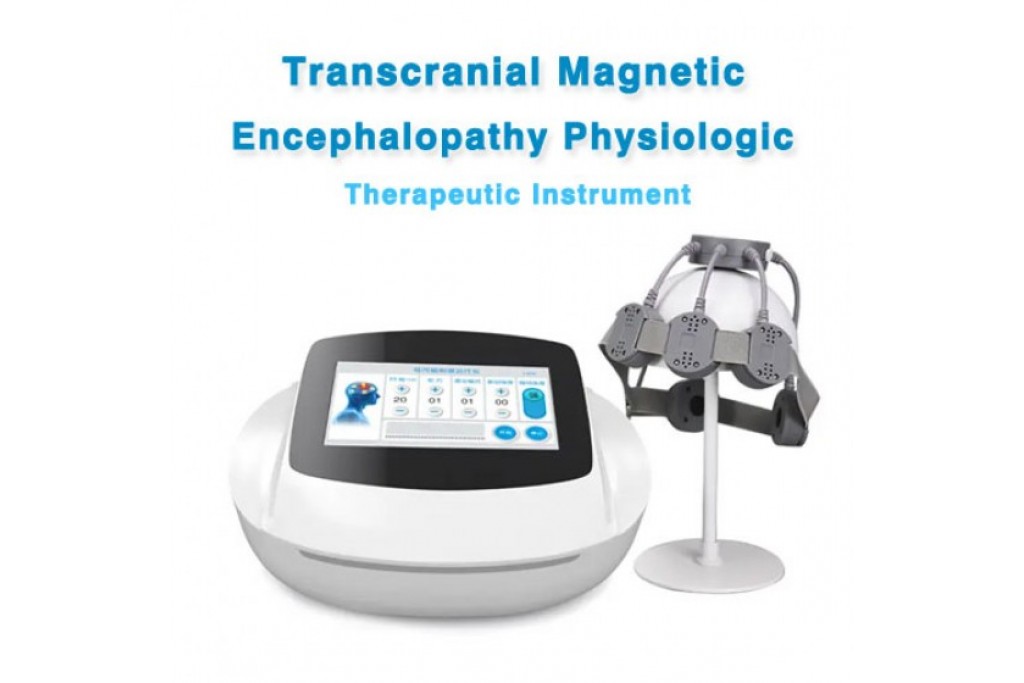
Repetitive Transcranial Magnetic Stimulation (rTMS), as a non-invasive neuromodulation technology, relies on advanced magnetic stimulation equipment systems. This article focuses on the device itself, detailing the technical principles, hardware structure, treatment modules, and clinical application characteristics of RTMS devices.
I. Technical Principles of the Device
RTMS devices are based on the principle of electromagnetic induction. A high-intensity pulsed current passes through the treatment coil, generating a rapidly changing transient magnetic field. This magnetic field can penetrate the skull without attenuation, inducing local microcurrents in the target areas of the cerebral cortex. This alters neuronal membrane potentials and modulates cortical excitability.
II. Main Structural Components of the Device
1. Main Control System
Pulse Generator: Produces high-intensity, adjustable frequency pulse currents.
Control Panel: Integrates touchscreens or physical buttons for setting treatment parameters.
Cooling System: Ensures stable long-term operation of the device.
Safety Monitoring Module: Real-time monitoring of current, temperature, and magnetic field output.
2. Treatment Coil System
Standard Circular Coil: Suitable for large-area cortical stimulation.
Figure-Eight Coil (Double-Loop Coil): Offers higher focality and stimulation precision.
Multi-Channel Coil Array: Supports synchronous stimulation of multiple targets.
Coil Cooling Device: Prevents overheating and ensures treatment safety.
3. Positioning and Fixation System
Adjustable Mechanical Arm: Enables precise three-dimensional spatial positioning.
Headrest Fixation Device: Compatible with personalized head models or marker systems.
Acupoint Positioning Module: Integrates traditional Chinese medicine acupoint maps, supporting positioning at acupoints such as Baihui, Taiyang, and Fengchi.
4. Auxiliary Modules
Navigation Positioning System (Optional): Combines MRI/CT imaging for precise targeted treatment.
Physiological Signal Monitoring Interface: Connects to EEG, EMG, and other devices for synchronous monitoring.
Data Management Software: Records treatment parameters and stores case data.
III. Treatment Parameter Settings
The device supports adjustable parameters to meet individualized treatment needs:
Stimulation Frequency: Typically 1–30 Hz (low frequency for inhibition, high frequency for excitation).
Stimulation Intensity: Adjustable as a percentage of the motor threshold (80%–120% MT).
Pulse Sequences: Modes such as single-pulse, repetitive-pulse, and burst stimulation.
Treatment Duration: Adjustable from 10 to 30 minutes per site.
Coil Temperature Control: Automatic monitoring with over-temperature protection.
IV. Device Treatment Application Features
1. Multi-Disease Adaptability
The device includes built-in treatment protocols for various conditions, such as:
Mental and psychological disorders: Depression, anxiety, obsessive-compulsive disorder.
Neurological rehabilitation: Post-stroke recovery, Parkinson's disease, pain management.
Pediatric neurological disorders: Tics, attention deficit disorders.
2. Integrated Acupoint Treatment Mode
The device features an integrated Traditional Chinese Medicine acupoint stimulation module, supporting:
Synchronous placement of 7 magnetic therapy heads.
Automated acupoint recognition and positioning assistance.
One-click activation of classic protocols (e.g., "Prescription 1" comprehensive treatment plan).
3. Safety and Comfort Design
Noise Control: Low-noise coils and sound insulation design.
Contact Sensing: Automatic pause if poor coil contact is detected.
Patient Feedback System: Allows real-time feedback on discomfort.
Electromagnetic Compatibility: Complies with medical device safety standards.
V. Brief Overview of Device Operation Workflow
Patient Assessment and Positioning: Determine treatment target areas or acupoints.
Device Preparation: Install the appropriate coil and connect the positioning device.
Parameter Setting: Select preset protocols or customize parameters based on the condition.
Treatment Execution: Initiate treatment and monitor patient responses in real time.
Data Recording: Save treatment parameters and session records.
Device Maintenance: Clean and disinfect after use; perform regular magnetic field output checks.
VI. Applicable Scenarios and Institutions
Medical Institutions: Psychiatry, Neurology, Rehabilitation, Pediatrics.
Rehabilitation Centers: Post-stroke rehabilitation, traumatic brain injury rehabilitation.
Research Institutions: Cognitive neuroscience research, brain function exploration.
Community Health Service Stations: Mild mood disorder intervention, chronic headache management.
VII. Future Development Trends
New-generation RTMS devices are evolving toward intelligence, precision, and portability:
AI Parameter Optimization: Automatically recommends treatment plans based on big data.
Closed-Loop Stimulation Systems: Adjust stimulation parameters in real time based on EEG feedback.
Wireless Portable Devices: Gradual emergence of lightweight devices for home use.
Multimodal Integration: Combined use with technologies like fNIRS and tDCS.
As a core technology carrier in the field of neuromodulation, the design and functionality of RTMS devices directly impact treatment efficacy and safety. With continuous technological advancements, RTMS devices will play an increasingly important role in precision medicine and brain health management.